Archive | Uncategorized RSS feed for this section

RealClear Radio Hour – John Tierney Podcast

29 Jun

RCRH horizontal

On the Ultimate Resource
JUN 28, 2014

image

John Tierney, longtime New York Times columnist, science writer, co-author of Willpower: Rediscovering the Greatest Human Strength, and winner of the 2014 Julian L. Simon Memorial Award, discusses how his mentor, the prize’s famous humanist and namesake, inspired his career path to challenge the preachers of doom’s stranglehold on popular media.

LISTEN (full-length interview)
DOWNLOAD from iTunes (as aired)
WATCH (on YouTube)

Forbes – The Rise Of Uber Should Have Politicians, Regulators And Crony Capitalists Shaking With Fear

23 Jun

forbescomlogo

Captive regulators and machine politicians can’t stop the onslaught of digital competition

Consumers love choice and convenience, especially when it comes to getting from point A to point B. So as Uber takes the world by storm, the days of people having their travel choices constrained by antiquated regulations seem to be coming to an end. In the process many are realizing that such rules are designed not to protect consumers, but to enrich rent-seeking cronies.

Of course, that won’t stop entrenched taxi cartels from calling in their political chits in a futile attempt to stop the future from arriving. But as the social networking aspects of the mobile Web enables consumers to make their voices heard, it’s just a matter of time before they overwhelm the crony capitalists, regulatory bureaucrats, and machine politicians desperately trying to defend their shaky turf.

Uber’s distributed smartphone app is leaping from city to city as quickly as the Internet can spread the news of how much easier and more convenient it is than hailing a cab or booking a limo. This week, on RealClear Radio Hour, I spoke with Uber Northeast Regional General Manager Rachel Holt, who outlined the company’s strategy for global growth.

To read the rest of the column, click here.

RealClear Radio Hour – Uber and Norwegian Air Fight Entrenched Cartels

22 Jun

RCRH horizontal

Uber: The New Transportation Technology Everybody Loves. . . Except Politicians

JUN 21, 2014

rachelholt

Rachel Holt, Regional General Manager for Uber East Coast, tells the ride sharing company’s story from its early days in 2010. She notes that while Uber’s transportation model has been met with overwhelming support from both customers and drivers, politicians continue to respond to the interests of outmoded taxi cartels.

LISTEN (full-length interview)
DOWNLOAD from iTunes (as aired)
WATCH (on YouTube)


Norwegian Air: Fighting Congress for Customers and Affordable Transatlantic Travel

JUN 21, 2014

bjorn_kjos_

Bjorn Kjos, CEO of Norwegian Air, recounts how since he took over the near bankrupt airline, essentially by happenstance, two decades ago, and how the company has grown into a competitive global fleet carrier. Kjos, who prioritizes customers and efficiency, has proposed offering flights between the U.S. and Europe for under $500, but has been stalled by pushback from unions and Congress.

LISTEN (full-length interview)
DOWNLOAD from iTunes (as aired)
WATCH (on YouTube)


Forbes – Can Ralph Nader Get Progressives and Libertarians to Make Common Cause?

16 Jun

forbescomlogo

Eighty years old and still full of piss and vinegar, Ralph Nader should perhaps add honey to his repertoire, as he attempts to woo libertarians, and maybe a Tea Partier or two, to his latest campaign. In his new book, Unstoppable: The Emerging Left-Right Alliance to Dismantle the Corporate State, Nader challenges these strange bedfellows to come together to shake up Washington’s dysfunctional, cronyist status quo.

Ralph Nader was my guest on RealClear Radio Hour this week, along with Brink Lindsey of the Cato Institute, examining the potential for such an alliance.

Nader describes our current political system as a duopoly that brooks no competition. “I don’t think there is any other Western country that has so many obstacles to third party or independent candidate challenges,” he says. “And given the way they gerrymander the districts, in 90 percent of the House of Representatives districts are essentially one party.”

Libertarians certainly sympathize. But can Nader convince them to set aside their fundamental philosophical differences with progressives to tackle a specific and limited set of issues where there is agreement? In his book, Ralph lists 24 such areas, including civil liberties and subsidies to big business.

Brink Lindsey is not so sure. But he notes that “libertarians are a pretty small minority in American politics, so when anybody reaches out to us, I think we ought to be hospitable.”

To read the rest of the column click here.

RealClear Radio Hour – Can Ralph Nader Unite the Right and Left?

15 Jun

RCRH horizontal

Forging a Transpartisan Anti-Cronyist Alliance

Jun 14, 2014

new-nader-pic

Ralph Nader, former Presidential candidate and longtime consumer advocate, discusses his new book, Unstoppable: The Emerging Left-Right Alliance to Dismantle the Corporate State, in which he calls for progressives, conservatives, and libertarians to unite against what he perceives as a common enemy: Washington’s culture of rent-seeking. While continuing his push against corporate power, Nader finds existing points of agreement across the political spectrum.

LISTEN (full-length interview)
DOWNLOAD from iTunes (as aired)
WATCH (on YouTube)

Liberaltarians Unite!

JUN 14, 2014

lindsey

Brink Lindsey, Vice President for Research at Cato Institute, comments on the prospect and viability of Ralph Nader’s recent push for a transpartisan coalition to combat crony capitalism. Lindsey finds the problem of unchecked power a strong unifying force and, while he points out some major differences, commends Nader’s efforts to fuse an outsider insurgency of progressives and libertarians.

LISTEN (full-length interview)
DOWNLOAD from iTunes (as aired)
WATCH (on YouTube)

Forbes – Studying the History of Feminism Might Save Feminists from Themselves

9 Jun

forbescomlogo

The advance of women’s rights is one of Western Civilization’s greatest triumphs. Yet, in many developing countries, women are still treated like second-class citizens. So why do so many tenured feminist intellectuals holed up in our universities choose to rail against the supposed American patriarchy rather than seek to help their sisters in places where women don’t even enjoy the most basic civil rights?

Christina Hoff Sommers, Resident Scholar at the American Enterprise Institute and author of Freedom Feminism—Its Surprising History and Why it Matters Today, explains why as my guest on this week’s RealClear Radio Hour.

In her book, Sommers meticulously describes the two rival camps of feminism, which are often in conflict, but drive progress when pulling in the same direction. The first, “Egalitarian Feminism,” traces its roots back to a controversial 18th century writer, philosopher, and scandalizer of high society named Mary Wollstoncraft, who believed that, “Men and women were essentially the same in their spirits and souls, deserving of the same rights.”

Wollstoncraft’s ideas were centuries ahead of her time. “She was also unbelievably adventurous and lived one of the most exciting lives of her century,” says Sommers. “She had lovers and was running around writing books and being a reporter,” behaviors frowned upon by contemporaries. “It took 100 years for her reputation to be resurrected.” Today her writings are considered a foundational part of the feminist cannon.

Sommers contrasts Wollstonecraft with Hannah More, whom she calls the founder of “Maternal Feminism.” More evangelized for a different-but-equal concept of empowered femininity. “Hannah met women where they were. She believed there was a feminine nature and that women were caring and nurturing, different from men but deserving of equality.” Unlike Wollstonecraft, More was tremendously popular in her time. Her books outsold those of Jane Austen and Thomas Paine, and she was widely admired as an advocate of education and work opportunities for women. Today, however, she is not only forgotten, but denigrated as an apologist for the patriarchy.

To read the rest of the column click here.
RealClear Radio Hour – Feminism Yesterday, Today, and Tomorrow

8 Jun

RCRH horizontal

The Historical and Modern Divide of Feminism
June 7, 2014

Optimized-CHSommers-1

Christina Hoff Sommers, former philosophy professor and host of the video blog, The Factual Feminist, recounts the rivalrous history of the feminist movement—from Mary Wollstonecraft’s egalitarian feminism and Hannah More’s maternal feminism to Betty Friedan’s Feminine Mystique and Phyllis Schlafly’s opposition to the Equal Rights Amendment. She advocates for transcending those rivalries in favor of a modern coalition of forces.

LISTEN (full-length interview)
DOWNLOAD from iTunes (as aired)
WATCH (on YouTube)

On Reform—from Prohibition to Labor to Immigration
June 7, 2014

Optimized-lindachavez-e1402061606564

Linda Chavez, author, activist, columnist, radio talk show host, and founder of the Center for Equal Opportunity and the Becoming American Institute, discusses her storied career—including serving in the Reagan White House—and her experience with the changing political landscape, from labor unions to immigration.

LISTEN (full-length interview)
DOWNLOAD from iTunes (as aired)
WATCH (on YouTube)

Forbes – There’s A Way To Pay Off America’s Budget Deficits That Is Easy, And Painless

2 Jun

forbescomlogo
Whatever your views on the role of government, one thing is clear: There will be no way to pay for it if the economy doesn’t grow. And I’m not talking by a measly percentage point or two. If we can’t find our way back to 5 percent annual economic growth or above soon, America’s accumulated federal and state debts will propel us down the same downward spiral as Detroit, Stockton, and Greece.

So how do we reach that kind of growth? Innovate!

Few sectors of our economy remain as vibrant as the convergence of consumer electronics and telecommunications. Freed from the shackles of government-sanctioned monopoly 30 years ago and fueled by Moore’s Law advances and Silicon Valley entrepreneurship, an explosion of innovation is powering growth that is rare in other sectors of our economy.

Yet, it could come crashing down, if we follow the lead of Europe and buy into the Precautionary Principle, “the idea that new innovations should in some way be curtailed or disallowed until their developers can prove that they will not cause any harms to either individuals, groups, specific entities, cultural norms, business models, or other types of traditions.” That’s the explanation provided by Adam Thierer, Senior Research Fellow at the Mercatus Center at George Mason University and author of Permissionless Innovation: The Continuing Case for Comprehensive Technological Freedom.

The Precautionary Principle has inserted itself deftly in Europe, where public intellectuals like Thomas Piketty are praised for wanting to sacrifice progress and growth on the altar of equality. That stands in bold contrast to America’s tradition of rewarding what Thierer calls “permissionless innovation.” For public policy, this leads to a simple prescription. As he argues, “[U]nless a compelling case can be made that a new invention will bring serious harm to society, innovation should be allowed to continue unabated. If problems develop they can be addressed after the fact.” [Emphasis added]

To read the rest of the of the column click here.

RealClear Radio Hour – On Innovation Podcasts

1 Jun

RCRH horizontal
On Innovation—Defending Innovation on the Political Battlefield
May 31, 2014

Gary Shapiro

Gary Shapiro, president and CEO of Consumer Electronics Association (CEA), recounts some of the political and legal struggles over technology policy he’s fought during his 30-year career at CEA—from the “Magna Carta” decision affirming the legality of VCRs to today’s innovation wars over copyright, net neutrality, and spectrum allocation.

LISTEN (full-length interview)
DOWNLOAD FROM ITUNES (as aired)
WATCH (on YouTube)

On Innovation—How Information Technology was Born Free and Why It Should Remain So
May 31, 2014

Adam-Thierer

Adam Thierer, author of Permissionless Innovation, posits that America’s success in technological progress—and the best path forward—lies in allowing experimentation, rather than curtailing it for fear of risk, otherwise known as the Precautionary Principle.

LISTEN (full-length interview)
DOWNLOAD FROM ITUNES (as aired)
WATCH (on YouTube)

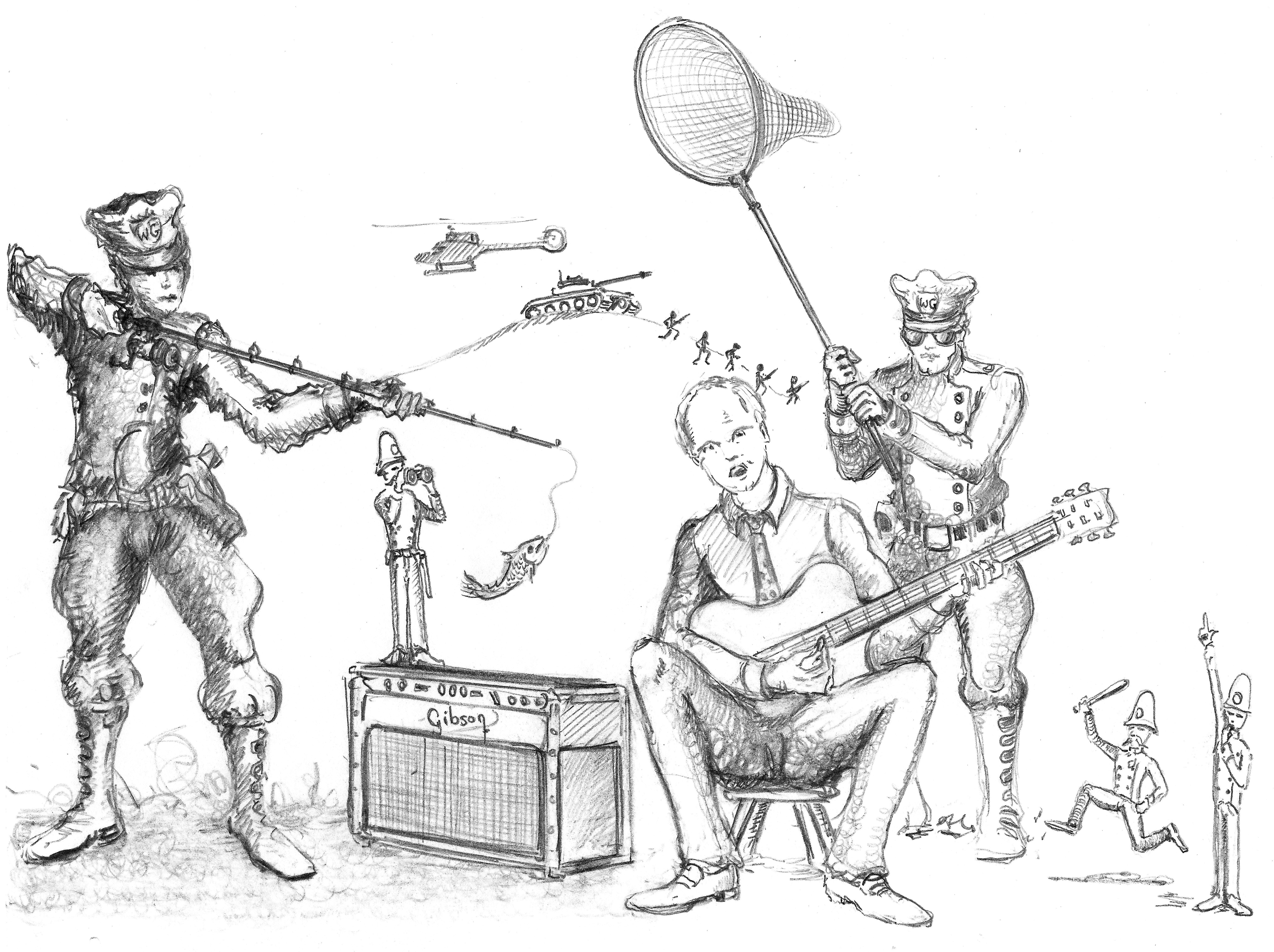
Forbes – Lumber Union Protectionists Incited SWAT Raid On My Factory, Says Gibson Guitar CEO

26 May

forbescomlogo

Federal Prosecutors Run Amok at Behest of Special Interests Wielding Secret Warrants 

“Henry. A SWAT team from Homeland Security just raided our factory!”

“What? This must be a joke.”

“No this is really serious. We got guys with guns, they put all our people out in the parking lot and won’t let us go into the plant.”

“Whoa.”

What is happening?” asks Gibson Guitar CEO Henry Juszkiewicz when he arrives at his Nashville factory to question the officers. “We can’t tell you.” “What are you talking about, you can’t tell me, you can’t just come in and …” “We have a warrant!” Well, lemme see the warrant.” “We can’t show that to you because it’s sealed.”

While 30 men in SWAT attire dispatched from Homeland Security and the U.S. Fish and Wildlife Service cart away about half a million dollars of wood and guitars, seven armed agents interrogate an employee without benefit of a lawyer. The next day Juszkiewicz receives a letter warning that he cannot touch any guitar left in the plant, under threat of being charged with a separate federal offense for each “violation,” punishable by a jail term.

1-1-Gibson Cartoon

To read the rest of the column click here.

Podcast Double Feature Outing Rogue Federal Prosecutors – Harvey Silverglate & Gibson’s Henry Juszkiewicz Tell All

25 May

RCRH horizontal

Download the show to your iPhone and listen next time in the car.

Runaway Government—How Prosecutorial Overreach Runs Roughshod over Civil Liberties

MAY 24, 2014

Optimized-Harvey_Paris_ESD

Harvey Silverglate, Boston lawyer, activist, civil liberties advocate, and author of Three Felonies a Day, warns against the increase in federal criminal prosecutions and the risk of being railroaded into plea-bargained guilty pleas under vague and selectively enforced laws. (Photo by: Elsa Dorfman)

LISTEN (full-length interview)

DOWNLOAD FROM ITUNES (as aired)

WATCH (on YouTube)

Runaway Government—The Spectacle of Homeland Security’s Raid on Gibson Guitar

MAY 24, 2014

1-henry

Henry Juszkiewicz, President of Gibson Guitar since 1986, discusses how he turned around the iconic guitar company and his response to the federal government’s surprise armed raid, nearly destroying Gibson’s business and landing him in jail on the pretext of alleged technical import violations.

LISTEN (full-length interview)

DOWNLOAD FROM ITUNES (as aired)

WATCH (on YouTube)


Forbes & RealClear Radio Hour Features Lenore Skenazy and Free Range Kids

19 May

forbescomlogoRCRH

“Worst Mom in the World” Urges You to Set Your Children Free

Author of “Free Range Kids” is on a search-and-destroy mission against the “dangerization” of childhood.

“Go play outside. Come back when the street lights come on.”

I can’t tell you how many times my Mom said that to me. And I can’t thank her enough for the life lessons I learned through the everyday scrapes and troubles I got into that she played no role in resolving. Tell that to your kids today and you’re likely to get a visit from child protective services.

How did the land of the free and home of the brave become the land of bubble-wrapped kids and infantilized adolescents? And what can we do about it?

Lenore Skenazy, author of Free Range Kids and this week’s guest on RealClear Radio Hour, has made doing something about it her life’s work. In this era of helicopter parents and overscheduled children, her take on the excesses of obsessive parenting and how irrational fears about childhood have empowered the nanny state is a breath of fresh air wrapped in a cautionary tale.

lenore skenazy

To read the rest of the Forbes column, click here.

You can listen to or download the RealClear Radio Hour podcast:

LISTEN (full-length interview)

DOWNLOAD FROM ITUNES (as aired)

WATCH (on YouTube)

RealClear Radio Hour Podcast Rich Karlgaard Publisher of Forbes Magazine

17 May

RCRH horizontal

Culture Is Key to Companies’ Enduring Success

MAY 17, 2014

Optimized-karlgaard3

Rich Karlgaard, Publisher of Forbes Magazine, Silicon Valley entrepreneur, and author of the recently published book, The Soft Edge: Where Great Companies Find Lasting Success, discusses the consistent formula of skills, values, and culture practiced by successful companies.

LISTEN (full-length interview)

DOWNLOAD FROM ITUNES (as aired)

WATCH (on YouTube)

Forbes – Government Employee Unions Tee Up California’s Bankruptcy

16 May

forbescomlogo

Half a Billion Dollars. That’s how much the California Teachers Association and the powerful Service Employees International Union have spent on California politics since 2000. The unions’ return on that “investment”? A legislature totally beholden to them for political support and campaign contributions.

Here’s another mind-boggling number: Half a Trillion Dollars. That’s an estimate of the unfunded public pension liabilities racked up by California’s state and municipal governments due to overly generous pay and defined benefit pension plans lavished on unionized government employees.

If you thought the bankruptcies of Stockton, San Bernardino, and Vallejo were entertaining, break out the popcorn to watch the next fiasco California’s famously progressive citizens voted themselves into. That first wave of municipal bankruptcies demonstrated that the odds of the state’s public pensions paying out at full value are virtually zero. The donnybrook that breaks out when the rest go sour is going to be a monster movie scale spectacle.

Jim Lacy, former Chief Counsel for Technology at the U.S. Department of Commerce and General Counsel to the U.S. Consumer Products Safety Commission, has been sounding the alarm. His new book, Taxifornia, lays out the numbers and illustrates them in horrifying detail, with stories you just can’t make up—like rank-and-file firefighters making $348,000 a year who can retire at age 55 at 90 percent of salary. Meanwhile, California’s poverty rate has soared to become highest in the nation (almost one in four Californians now live in poverty, according to the Census Bureau).

To read the rest of the column click here.

RealClear Radio Hour Podcast – War on Poverty, Taxifornia

12 May

RCRH horizontal

New Approach to the War on Poverty

MAY 10, 2014

Bob Woodson

Bob Woodson, founder and president of the Center for Neighborhood Enterprise and “godfather” of the local investment and neighborhood empowerment movement, discusses why the War on Poverty has failed and which solutions to poverty actually work. ‎

LISTEN (full-length podcast)

DOWNLOAD FROM iTUNES (as aired)

WATCH (on YouTube)

Taxing Californians into Poverty

MAY 10, 2014

James Lacy

James Lacy, author of Taxifornia, hopes to encourage reform in his home state of California and other states in danger of bankruptcy due to unfunded public employee pension liabilities. Lacy attributes the ever rising tax burden to one-party rule enabled by union political donations.

LISTEN (full-length podcast)

DOWNLOAD FROM iTUNES (as aired)

WATCH (on YouTube)

Forbes – Paul Ryan Mentor Bob Woodson Slams War on Poverty

9 May

forbescomlogo
“Keep doing what yer doing and you’ll keep getting what you got.” Thus spoke Robert Woodson, explaining why the War on Poverty, now entering its fifth decade, has failed—and miserably so.

As a front-row spectator, Bob should know. He has been an outspoken civil rights activist since the 1960s, directed the National Urban League’s Administration of Justice division back in the 1970s, and in 1981 founded the Center for Neighborhood Enterprises, focusing on finding practical solutions for fighting poverty. He’s since been awarded a MacArthur genius fellowship, the Bradley Foundation Prize, and the President’s Citizens medal. And yet, Al Sharpton is the one with the TV show.

Which leads me to think he knows much that our media elites don’t. In his interview on this week’s RealClear Radio Hour Bob confirmed that suspicion.

The American public is “tired of the gladiatorial combat that masquerades as political discourse” and is “desperate for solutions that transcend the ideological divide,” he said. “The Civil Rights movement has abandoned the high ground on which it was founded. It has morphed into a race grievance industry. It has been hijacked by the Democratic Party. It has sold its soul to the highest bidder.”

Yet, far from being bitter, Bob is ever more committed to his work at the Center for Neighborhood Enterprises, where his focus is on studying, identifying, and amplifying success, not justifying, subsidizing, and profiting from failure. “The only thing you can learn from studying failure is how to create more of it.”

To read the rest of the column click here.

RealClear Radio Hour Podcast – Regulations & Innovation

5 May

RCRH horizontal

A Comprehensive Look at the Hidden Tax of Regulation

Airdate May 3, 2014

Wayne Crews, Senior Fellow at the Competitive Enterprise Institute and author of the recently released 21st edition of Ten Thousand Commandments, CEI’s annual snapshot of the federal regulatory state, discusses his latest findings on the cost of regulations, which are often unbudgeted and untracked.

Crews

LISTEN (full-length interview)

DOWNLOAD FROM ITUNES (as aired)

WATCH (on YouTube)


Curtailing Regulations to Encourage Innovation

Airdate May 3, 2014

Michael Mandel, chief economic strategist at the Progressive Policy Institute, discusses his proposal for a Regulatory Improvement Commission, which was recently introduced in the Senate. Modeled on the old base closing commissions, it would annually comb the Code of Federal Regulations and propose rules for repeal.

Mandel

LISTEN (full-length interview)

DOWNLOAD FROM ITUNES (as aired)

WATCH (on YouTube)


Bureau of Lying Statistics (BLS) Update and Poem

2 May

A bit if doggerel in honor of the spin on today’s jobs report where we learned that another 806,000 people dropped out of the labor force, but since 288,000 jobs were created (even thought the birth/death adjustement was 234,000), the unemployment rate dropped to 6.3%. Mission Accomplished! Nothing to worry about here, right?

Charge-of-the-Light-Brigade

The Charge of the Easily Swayed
With apologies to Alfred, Lord Tennyson

Half the truth, half the truth,
Half the truth onward,
All in the valley of Lies
Rode the tax plundered.
“Forward, the easily swayed!
“Meme of the Day!” he said:
Into the valley of Lies
Rode the tax plundered.

Bullshit to right of them,
Bullshit to left of them,
Carney in front of them
Truth unencumbered;
Lies they so easily tell,
BLS gone to Hell
Into the valley of Lies
Rode the tax plundered.

Forbes – How to Ease the Crushing Costs of Federal Regulations

2 May

forbescomlogo
“You can look at the federal budget and see what we spend. There is nothing like that with respect to regulations. I tabulate the annual cost of regulation to be about $1.8 Trillion. Any regulation that is expected to cost over $100 million is supposed to get a cost-benefit analysis. Obama added $20 billion in new regulatory costs just last year. Every year there are over 3,500 new rules that come out of the federal government. Do you know how many rules got a cost-benefit analysis last year? Fourteen!”

Thus spoke Wayne Crews, Vice President for Policy at the Completive Enterprise Institute and author of Ten Thousand Commandments, CEI’s annual snapshot of the federal regulatory state. Wayne, my first guest this week on RealClear Radio Hour, can quote facts and figures the way a baseball aficionado spits out batting statistics. The mind reels under the weight of the huge numbers, so how do we make them digestible?

“Try this,” Wayne suggests. “Regulatory costs amount to an average of $14,974 per household—23 percent of the average household income of $65,596. This exceeds every item in the household budget except housing—more than health care, food, transportation, entertainment, apparel, services, and savings.”

Yes, but aren’t we getting our money’s worth? Our air and water are incomparably cleaner than when I was a kid. And traffic deaths are down, as modern automobiles have become engineering marvels designed to protect passengers caught in crashes.

To read the rest of the column, click here.

Antigua Forum Interview – Communicating Liberalism

1 May

Antigua_Forum_logo_
An interview recorded at the annual Antigua Forum at the Universidad Francisco Marroquín.

Bill Antigua

Entrepreneur and radio personality Bill Frezza believes that people who want to promote liberty need to do a better job communicating. He says the biggest lesson he has learned is that people learn through narrative, not through facts and figures. Bill emphasizes that human beings are social creatures and that tribalism, religion, and spirituality should be recognized as important and powerful. Finally, he discusses how technology can be used as an effective tool for building community.

Click here for the video (30 min)

RealClear Radio Hour Podcast – Venture Capital in Vietnam, Handing the Internet to the UN

27 Apr

RCRH horizontal
Revitalizing and Capitalizing in Vietnam

Michael Greeley
Venture Capitalist and General Partner at Foundation Medical Partners Michael Greeley walks through the entrepreneurial fervor in bustling Ho Chi Minh City, Vietnam. He cites both the growing popularity of American cultural exports and the prospects for salvaging the country’s health care market.

LISTEN (full-length interview)
DOWNLOAD FROM ITUNES (as aired)
WATCH (on YouTube)

Recorded at Aquitaine in Boston’s historic South End.

Insights from a Modern Investment Doyenne

Esther Dyson
Esther Dyson, former chairman of ICANN among many other accomplishments, relays her thoughts about the effects of the U.S. relinquishing control of the Internet and lays out her latest project: HICCup, a community-cultivated wellness program.

LISTEN (full-length interview)
DOWNLOAD FROM ITUNES (as aired)
WATCH (on YouTube)

Forbes – Vietnam’s Road Back From Serfdom

25 Apr

forbescomlogo

The transformative power of free markets just can’t be kept down.

We dropped bombs on their heads, defoliated their forests, and destroyed their villages “in order to save them.” We tore apart the fabric of our own society trying to bring the ill-fated misadventure to a close.  After America’s ignominious retreat, millions fled the bloodbath unleashed by the Communist’s victory. Follow this with years of economic policies based on the principles of Marx, Lenin, and Mao that led to decades of grinding poverty, and Vietnam seemed left with no choice but to try something new. Now, as it rediscovers capitalism with a vengeance, an amazingly resilient and forgiving people can’t line up fast enough to buy Big Macs, iPads, and PlayStations.

This week’s guest on RealClear Radio Hour, Michael Greeley, general partner at Foundation Medical Partners and former chairman of the New England Venture Capital Association, shared all this and more. Michael is no stranger to Southeast Asia; he grew up in Hong Kong, where he witnessed that tiny oasis struggle to absorb a massive influx of “boat people.” A frequent visitor to Vietnam, he offered his insights into its booming economy, unfolding investment opportunities, and those he calls “the friendliest and most hardworking people you ever want to meet.”

To read the rest of the column click here.

RealClear Radio Hour Podcast – Education & Failure

21 Apr

RCRH horizontal
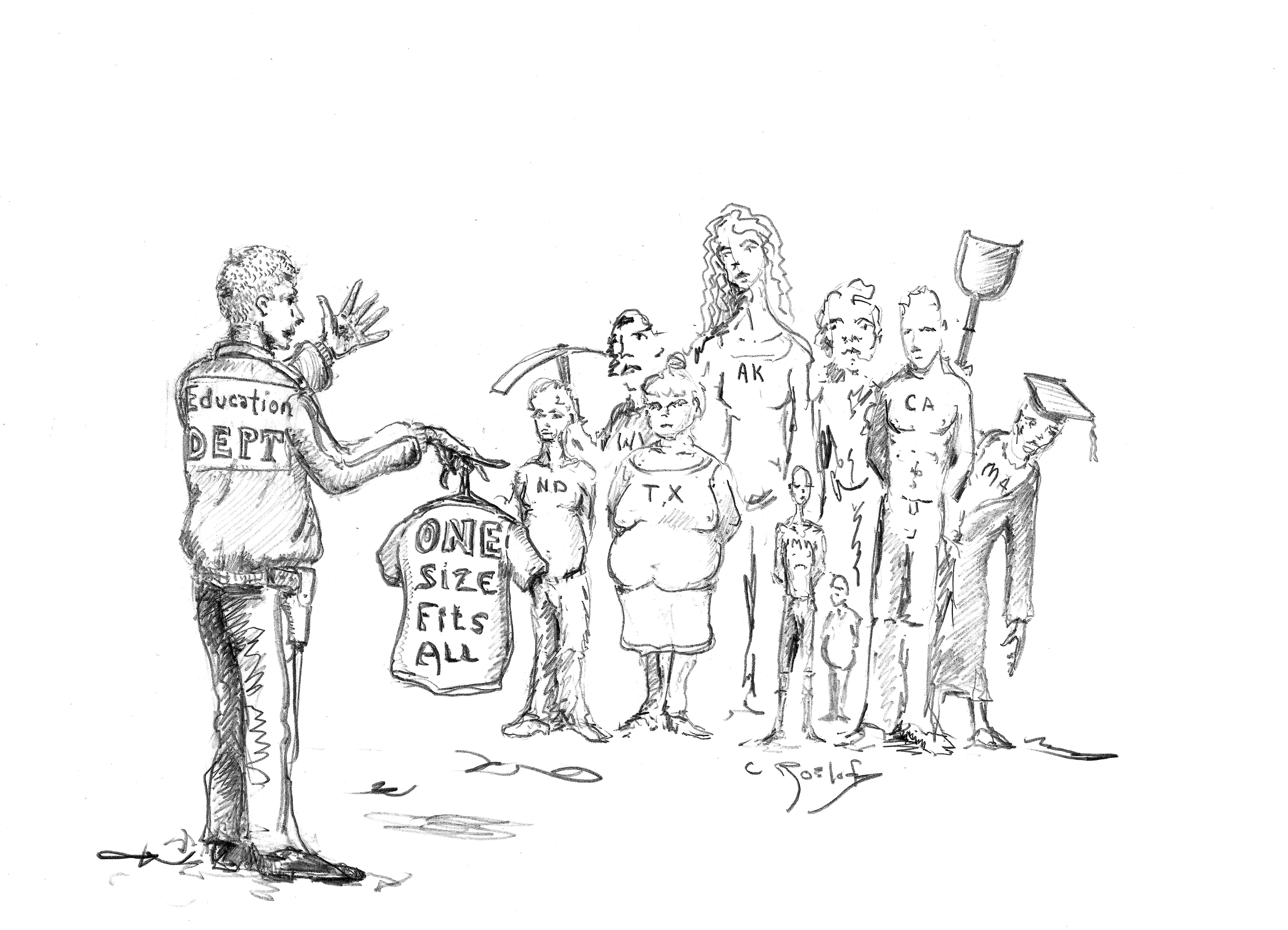
One-Size-Fits-All Education—Preparing Tomorrow’s Leaders for Community College
APR 19, 2014
image
Jim Stergios, president of Boston’s Pioneer Institute, compares the high standards of Massachusetts’ charter schools with the proposed national Common Core standards. He also discusses how a compliance-focused regime has promoted Common Core despite its lack of legislative support.

LISTEN (full-length interview)
DOWNLOAD from iTunes (as aired)
WATCH (on YouTube)

The Power of Learning from Failure—An American Success Story
APR 19, 2014
image
Megan McArdle, journalist and author of The Up Side of Down, explains how preparing for and learning and moving on from failure are not only instrumental in achieving success, but part of the American character. She illustrates with examples from George Washington and Mark Twain to Solyndra and GM.

LISTEN (Full-length interview)
DOWNLOAD from iTunes (as aired)
WATCH (on YouTube)

Forbes – Common Core Razes Charter School Standards

17 Apr

forbescomlogo

A battle is raging between those who would challenge our public school monopolies and those who wish to nationalize school curricula. There is much more at stake here than how Jane and Johnny learn to read.

The success of the American experiment has always rested on a balance between opposing forces, between those seeking common purpose and those sustaining healthy diversity. A great nation needs both in proper measure. A common language, a common set of founding principles, a common respect for each other and the rule of law binds us together. A diversity of objectives, a richness of experiences, and a willingness to challenge the status quo challenges us to keep moving forward. Nowhere is this more important than in education.

The Charter School movement, an autonomous mix of initiatives taking place in cities and states across the country, has made spectacular progress. Charters are proving that schools under local control, answerable directly to the parents and children they serve, can outperform monopoly public schools that have been captured by entrenched interests, principally teachers’ unions and the politicians their profuse campaign donations can buy.

Charter schools’ ability to experiment and innovate, guided by parental choice, is often the best hope for urban minority children who would otherwise face bleak life prospects. If current trends continue, charter schools could revolutionize K-12 education, discovering paths to success that no union boss or central planner could divine.

But trends might not continue, because countervailing forces are attempting to drag both Charter Schools and high performing public schools down to least common denominator standards called Common Core. Designed by technocrats in Washington, this “one size fits all” curriculum was dispatched to the states along with financial “incentives” to encourage “voluntary” adoption. Fortunately, attempts to slip Common Core under the radar have failed, as informed opposition swells.

Common Core Conundrum

Common Core Conundrum

To read the rest of the column click here.

RealClear Radio Hour Podcasts – Tax Day Special

14 Apr

RCRH horizontal

Tax Day Special- The Tax Pledge of Allegiance

Grover

Grover Norquist, founder and president of Americans for Tax Reform, discusses his experiences growing up in Massachusetts and how it helped propel him to fight for lower taxes for all Americans, how citizens enforce his organization’s Taxpayer Protection Pledge, and what we can expect during the remainder of the Obama presidency.

LISTEN (full length interview)

DOWNLOAD FROM ITUNES (as aired)

WATCH (on YouTube)


Tax Day Special- Solve Inequality: Tax the Rich

Reich

Robert Reich, University of California, Berkeley Professor and former Secretary of Labor, discusses his experiences growing up and in college and makes the case against tax cuts, which he blames for greater income inequality—a problem he claims can be addressed through tax hikes on the rich.

LISTEN (full length interview)

DOWNLOAD FROM ITUNES (as aired)

WATCH (on YouTube)

Forbes – Dueling Visions for Taxing Times: Grover Norquist v. Robert Reich

13 Apr

forbescomlogo

 
Limited government, federalism, and supply side economics, or tax, spend, and equalize

This is why I got into radio: A pairing of guests representing two competing visions for the nation’s economic future, each making their case in turn, no shouting.

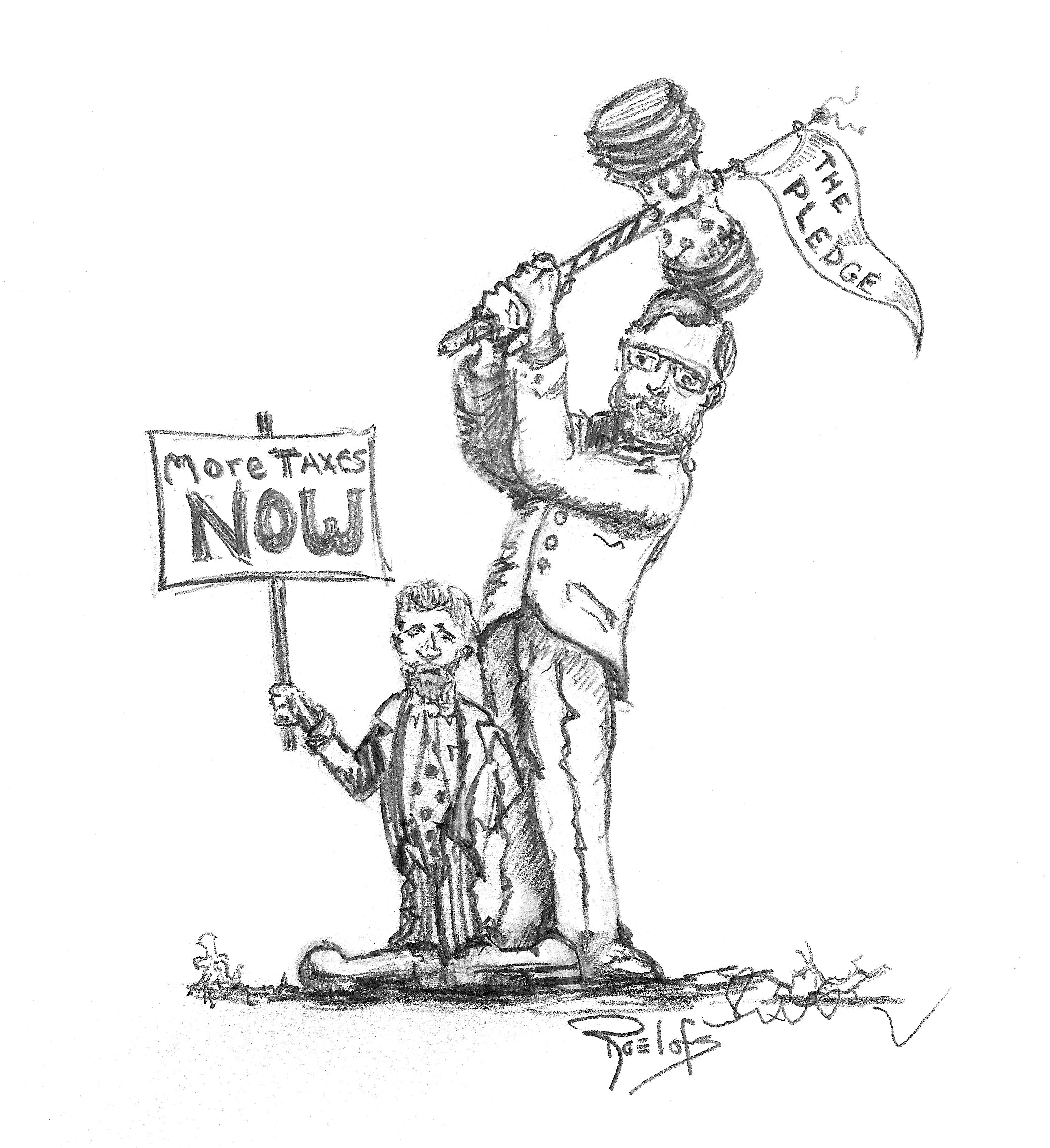
Their policy recommendations are diametrically opposed. “No new taxes,” says one. “Tax the rich,” says the other. Their understanding of how our economy works, what drives innovation and growth, the proper role of government, the lessons of history, and what makes homo economicus tick couldn’t be more at odds. Their contrasting backgrounds—the precocious rebel who grew up to shame tax-raising  politicians vs. the bullied intellectual who reached the loftiest corridors of power—couldn’t be more revealing.

This week, I’m pleased to have Grover Norquist, founder and president of Americans for Tax Reform, and former Secretary of Labor Robert Reich, professor of Public Policy at the University of California, Berkeley, as back-to-back guests on RealClear Radio Hour, sharing their views on what each believes is wrong with America and how they propose to fix it.

To read the rest of the colum click here.

RealClear Radio Hour Podcast Robert Sirico, Michael Cannon

8 Apr

From the 2014 Conservative Leadership Conference in Raleigh, NC

A Moral Defense of Capitalism
April 5, 2014

sirico
Devout humanist, Catholic priest, and social justice advocate Father Robert Sirico, president of the Acton Institute, discusses his personal philosophical journey and the commonalities binding together Western civilization, the Christian tradition, and modern economic policy.

LISTEN (full-length interview)

DOWNLOAD FROM ITUNES (as aired)

WATCH on YouTube

The Evolution of Obamacare
April 5, 2014

cannon-e1396548563133
Cato Institute health policy expert Michael Cannon discusses how—and why—Obamacare continues to  metamorphose at the administration’s whim, and how the resulting inconsistencies led to one of the most important challenges to the law, Halbig v. Sebelius.

LISTEN (full-length interview)

DOWNLOAD FROM ITUNES

WATCH on YouTube

Forbes – Will Republican Culture Warriors Snatch Defeat From The Jaws Of Victory?

4 Apr

forbescomlogo

I was recently invited to speak at the annual Conservative Leadership Conference in Raleigh, North Carolina, a regional red-meat gathering of the conservative faithful trying to help Republicans win back control of the government. Since I’m neither a conservative nor a Republican—nor faithful, for that matter, as I am a rather unabashed atheist—you might wonder what I was doing there. I’ll give you the same answer I gave the conference attendees. To have any hope of becoming a majority party, you ought to take a page from libertarians trying to make common cause with Republicans by focusing on economic freedom as a uniting cause, while setting the culture war aside.

The conservatives I met there are not the caricature often pushed in the mainstream media. Yes, they say grace before every meal. Yes, they take their religion seriously. And yes, their faith informs their behavior, language, and political beliefs. But this isn’t a bunch of old white racists seeking to disenfranchise minorities and send children to work in coal mines. This was a racially diverse crowd of thoughtful people concerned about the swelling power of Washington, the misuse of that power, and the fiscal disaster that awaits us if we don’t do something about it.

To read the rest of the column click here.
RealClear Radio Hour Podcast: Marian Tupy, Matt Ridley

30 Mar

RCRH horizontal

The Measure of Human Achievement
MAR 29, 2014
Marian Tupy, editor of HumanProgress.org and Senior Policy Analyst at the Cato Institute, introduces this new website, which culls the best resources on development, health, and progress—and illustrates the massive improvements in our global economic, social, and cultural situation, despite the doomsayers’ drumbeat.

LISTEN (full-length interview)
DOWNLOAD FROM ITUNES (as aired)
WATCH ON YOUTUBE (with slides)

Why We Should Be Optimistic About the Future
MAR 29, 2014
Matt Ridley, author of The Rational Optimist, recounts the long, flawed history of pessimistic predictions and invites us to examine the facts behind our inexorable march of progress. To illustrate, he describes how agriculture is supporting our growing population at an ever lower cost to the environment. As a result, human well-being and life expectancy are improving at rates previously unimaginable, notwithstanding man-made disasters like biofuel policy.

LISTEN (full-length interview)
DOWNLOAD FROM ITUNES (as aired)
WATCH ON YOUTUBE (with slides)

Forbes – Lights Out For Earth Hour

28 Mar

forbescomlogo
If green zealots get their way, we will be sitting in the dark for a lot more than an hour.

You would think that demonizing electricity would be a tough sell to a populace devoted to smartphones, gaming consoles, DVRs, flat screen TVs, iPhones, tablets, and the next “must have” gadget. But you’d be wrong. Earth Hour, an annual “turn off your lights” media event sponsored by the World Wide Fund for Nature (WWF), continues to grow, despite the inherent contradiction between its purported goal of conservation-by-denial and how we and the developing world aspire to live today.

But it’s not just us here in America. How can the human race possibly achieve greater prosperity without bringing electricity to the billions of people on Earth who do not yet enjoy its blessings? The WWF’s campaign doesn’t say. Instead, it simply relies on the worn-out idea that humans once lived “in harmony” with nature and that “the planet” would be better off (for whom?) if we all returned to a simpler, less technologically dependent lifestyle.

Such musings have been a recurring theme in Western civilization for generations, particularly among wealthy elites. Fortunately, for centuries the consequences of back-to-nature evangelizing were restricted to a few intellectual poseurs reading some impenetrable books by some other intellectual poseurs who somehow convinced a slightly larger circle of poseurs that they had special insights on how the world should be.

To read the rest of the column click here.

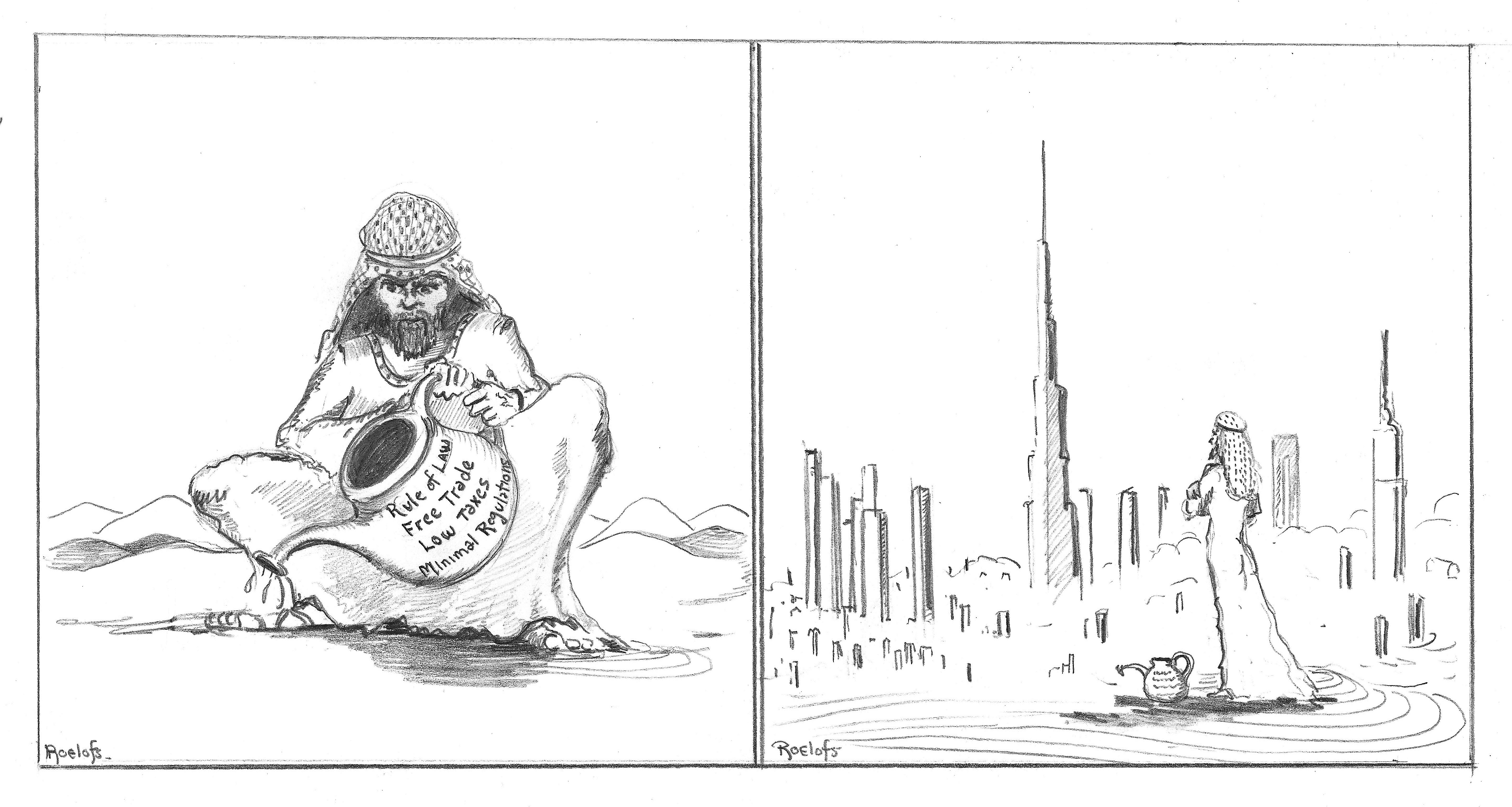
Forbes – Can Booming Dubai Remind America How To Grow Again?

21 Mar

forbescomlogo
If you despair for America, visit Dubai. If you fear our nation’s best days are behind us, visit Dubai. If you believe American entrepreneurship is being crushed by incompetent bureaucrats, crony capitalists, rabid regulators, and a growing dependent class, visit Dubai. If you worry that Detroit represents our future, that “equality” will triumph over excellence, and that redistributionist democracy has entered a death spiral, visit Dubai.

Visit Dubai to convince yourself that if an isolated, backward-looking culture in one of the most troubled regions of the world can shake off the fetters of stagnation and build a prosperous modern city where 25 years ago there was only desert, then surely America can regain much of what it has lost.

Dubai

To read the rest of the column click here.

RealClear Radio Hour – Podcast interview, Zac Bookman OpenGov.com

16 Mar

RCRH horizontal

Private Company Enables Widespread Government Transparency

Zac Bookman, Co-founder and CEO of OpenGov, explains how his citizen-friendly web platform is making government budgets, tax, and spending data accessible online, and why politicians and municipal managers are taking to it eagerly.

To listen to the podcast click here.

Forbes – Can Silicon Valley Sic Shumpterian Disruption On Bloated City Governments?

14 Mar

forbescomlogo
It’s one thing to ship your tax money off to Washington, resigned to the fact that you have little control over the distant bureaucracy that consumes our nation’s fisc. But when it comes to your own city or town, where spending decisions impact everything from garbage collection to your daily commute, such resignation costs dearly. So what to do?

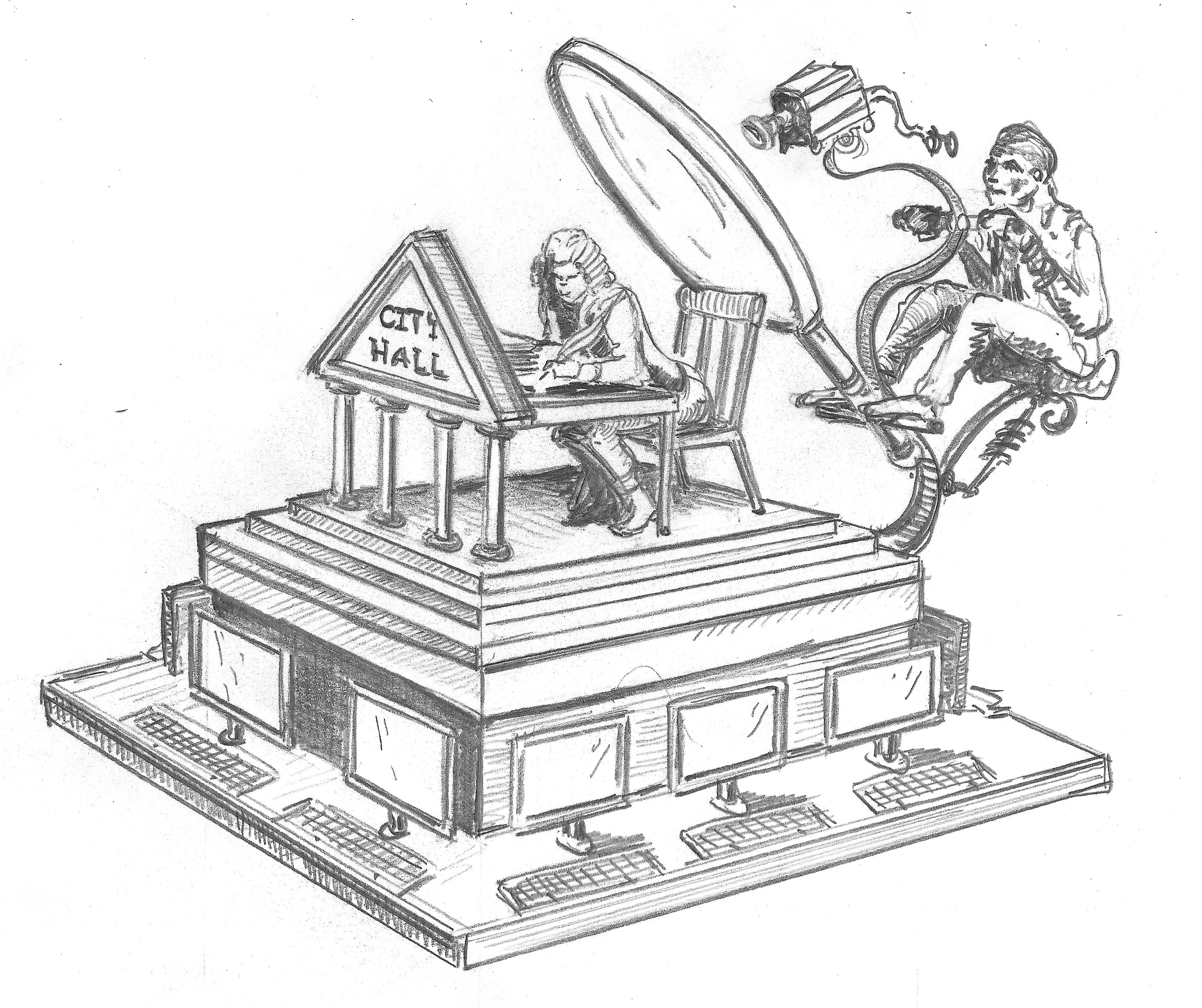
Imagine you could quickly and easily pry the cover off your municipal government’s books and look inside. Imagine every citizen being able to hold politicians accountable down to the penny: Where is my tax money going? Are we getting our money’s worth? Should I believe the mayor when he tells me he needs to raise taxes? Are we overpaying our civil servants? Can some city services be outsourced? How come my friend in the next town over pays fewer taxes yet gets better services in return?

public cyber records

Imagine bondholders getting the answers they need to accurately price risk: Can this city service its debts? Is it operating as efficiently as similar cities? Are expenses and revenue out of whack? Are ominous trends brewing?

Imagine every candidate running for office having the power to become as well-informed as the incumbent: Are the current officeholders doing a good job? Can I do better? Where are the improvement opportunities? Is the city in trouble? Is the mayor a crook?

Imagine no more. A Silicon Valley startup named OpenGov.com is putting city finances online, along with a suite of analytic tools that make it easy for both city managers and any citizen to dig into the details of their city’s finances, past and present.

To read the rest of the column click here.
Forbes – Dueling Visions for Taxing Times: Grover Norquist v. Robert Reich

11 Mar

forbescomlogo

This is why I got into radio: A pairing of guests representing two competing visions for the nation’s economic future, each making their case in turn, no shouting.

Their policy recommendations are diametrically opposed. “No new taxes,” says one. “Tax the rich,” says the other. Their understanding of how our economy works, what drives innovation and growth, the proper role of government, the lessons of history, and what makes homo economicus tick couldn’t be more at odds. Their contrasting backgrounds—the precocious rebel who grew up to shame tax-raising  politicians vs. the bullied intellectual who reached the loftiest corridors of power—couldn’t be more revealing.

This week, I’m pleased to have Grover Norquist, founder and president of Americans for Tax Reform, and former Secretary of Labor Robert Reich, professor of Public Policy at the University of California, Berkeley, as back-to-back guests on RealClear Radio Hour, sharing their views on what each believes is wrong with America and how they propose to fix it.

1-The pledge

To read the rest of the column click here.

RealClearRadio Hour – Debating Media Diversity

10 Mar

RCRH horizontal
In dueling podcasts I interview Darrell West from the Brookings Instituion and Mike Gonzalez from the Heritage Foundation asking them whether changes can and should be made in news reporting to reduce political polarization. Who should be the judge of journalistic credibilty and quality, the unguided masses or self-appointed elites?

Listen to Darell West make his case “Nudging News Producers and Consumers Toward More Thoughtful, Less Polarized Discourse” by clicking here and Mike Gonzales offer his rebuttal “The New Contras: Understanding the Left’s Grip On Media” by clicking here.

Forbes – Does Media-Enhanced Political Polarization Need To Be Fixed?

7 Mar

forbescomlogo
“And that’s the way it is,” intoned Walter Cronkite, the “most trusted man in America,” at the end of each news broadcast. It seems like a different world, when a mere three television networks, the New York Times, Washington Post, and a few other major papers dominated public discourse. Yet, we still don’t seem to be over the nostalgia. As the story goes, after the end of World War II and before the dawn of the Internet, political debates were conducted with relative political comity, in stark contrast to our current era of increasing polarization.

Those bygone days weren’t as civil as we like to remember. In fact, the biggest difference is how information-starved were back then. Yet, the richness of our modern media landscape hasn’t dissuaded the Federal Communications Commission from trying to “fix” America’s media, through backdoor attempts to influence the content and delivery of the news.

Which brings us to this week’s key question: Does the media need to be “fixed,” and if so, how? That is no small matter. In dueling white papers, the Brookings Institution and the Heritage Foundation offer competing perspectives. And I’m lucky to host them both this week on RealClear Radio Hour.

To read the rest of the column click here.
RealClear Radio Hour – A Bold Alternative to K-12 Education

3 Mar

RCRH horizontal
Education Entrepreneur is Remaking Education at All Levels

Jeff Sandefer, co-founder of Acton Academy, explains how his academy’s Socratic teaching methods are empowering students to take charge of their own education, giving them the tools to learn to do, learn to be, and learn to know.

To get the podcast click here.

Forbes – Acton Academy: Socrates’ Antidote for Government School Hemlock

28 Feb

forbescomlogo
Only someone in deep denial, or in total thrall to teachers’ union propaganda, believes our inner city public schools are anything more than dropout factories. Yet the comfortable belief that our own suburban public schools are doing fine seems just as misplaced. For a good idea of how misplaced, ask Jeff Sandefer, co-founder, with his wife Laura, of the Acton Academy, an alternative school that is turning teaching upside down.

Jeff’s soft spoken, low-key demeanor belies his considerable accomplishments and burning desire to remake America’s moribund educational institutions. A graduate of Harvard Business School and a multi-millionaire energy investor before turning 30, Jeff has packaged Socratic teaching into a system that can take a one-room schoolhouse full of children of various ages and different abilities and unleash the inner hero and genius in each of them. And he can do this without answering a single question, much less lecture students for hours as they sit passively at their desks.

To read the rest of the column click here.

RealClear Radio Hour – New Economic Era Demands Response from Millennial Generation

26 Feb

RCRH horizontal
New Economic Era Demands Response from Millennial Generation

Bentley University President Gloria Larson introduces the PreparedU project at Bentley University in Massachusetts, a program developed in response to the global economic crisis and the new challenges Millennials are facing.

Optimized-Gloria-Larson-e1393247681694

To download or listen to the podcast, click here.

Forbes – 10 Ways To Dodge The Millennial Curse

21 Feb

forbescomlogo
The Greatest Generation bequeathed Baby Boomers a nation on the rise. After saving Western Civilization from fascism, they rebuilt a war-torn world, powered an economic renaissance, sent a man to the Moon, banished Jim Crow, cleaned up the environment, and won the Cold War. Of course, they made their share of mistakes. But every American child born between 1946 and 1964 had a great shot at a better life than his parents.

We Baby Boomers were the main beneficiaries of that legacy. So what are we leaving behind for the next generation? Some sorry numbers tell the tale: About 90 million Americans of working age aren’t working; 47 million are on food stamps; 14 million collect disability; once-thriving cities are bankrupt; public schools aren’t educating. The economy is moribund, but this isn’t just another brief cyclical downturn. It really is different this time.

1-Baby Boomers
“I told you Millennials were good for something, dear.”

To read the rest of the column click here.

Forbes – Art, Free Speech, Hypocrisy, Tightie-Whities, and Teenage Tantrums

14 Feb

forbescomlogo
Welcome to the culture wars’ latest opera buffa.

In recent weeks, Wellesley College has been embroiled in a raging controversy over …. a lifelike statue of a wimpy middle-aged man sleepwalking in his underpants.

The conflict between free expression and the right not to be distressed by art kicked into high gear when some irony-challenged students launched a petition demanding the “semi-nude” statue be moved indoors so as not to create any awkward, uncomfortable feelings among the progressive college’s all-female student body. The petition got a cool-as-a-cucumber response from the director of the campus museum. But that wasn’t the end of the matter.

The director’s response was met by a series of hysterical objections by students, faculty, and alumnae—every one worth reading. For a good look into the muddle and chaos that characterize today’s academic mind, you will find no better example.

It’s been a while since I’ve been on the Wellesley campus, so I haven’t seen “The Sleepwalker” up close, but there are plenty of photos on the web. It’s one of those hyper-realistic statues that could be easily mistaken for a real person, creating an illusion that lasts until it dawns on you that the thing isn’t moving. The natural reaction is surprise followed by laughter followed by a bemused shrug and rolling of the eyes.

FrankenWellesley
Courtesy Chris Roelofs

To read the rest of the column click here.

RealClear Radio Hour – Customer Demands for Bitcoin Heard

11 Feb

RCRH horizontal
Customer Demands for Bitcoin Heard
FEB 10, 2014
TigerDirect, the online computer giant, is the latest retailer to accept Bitcoin. Director of Corporate Marketing Steven Leeds tells how TigerDirect expects to reap the benefits of this leading edge exchange technology.

To listen to the podcast click here.

RealClear Radio Hour – The Lessons of eGold

10 Feb

RCRH horizontal
Beyond Bitcoin: Will the future of e-currency be backed by gold?
FEB 10, 2014
E-Gold founder Doug Jackson discusses past examples of private money and why he thinks Bitcoin will be eventually surpassed by a 100% gold reserve-backed digital currency.

To listen to the podcast click here.

Forbes – Why Bitcoin Must Die. Long Live Bitcoin 2.0

7 Feb

forbescomlogo
One day, there will be a global digital currency in widespread commercial use whose value will not be controlled by central banks. Governments can forestall this day, as they have for the past 20 years since the first digital currencies were launched, but the market demand for an alternative to inflation-prone fiat money that can be conveniently, securely, and inexpensively exchanged over digital networks will be too strong to resist. Alas, the currency described above will not be Bitcoin, at least not in its current configuration.

Why not today’s Bitcoin? Because the digital currency of the future must choose between two mutually exclusive paths. It can either be anonymous, enabling black market transactions in the shadow economy, or it can be fully compliant with the growing body of know your customer, anti-money laundering laws that constrain global financial markets. A single digital currency cannot do both.

1-BitPirate-005
Cartoon Courtesy of Chris Roelofs

To read the rest of the column click here.

RealClear Radio Hour – Contract Cities

6 Feb

RCRH horizontal
Courting Citizen Satisfaction, Averting Municipal Bankruptcy
Bloomberg Boston broadcast date: Feb 1, 2014

Oliver Porter, a principal at PPP Associates and author of The Contract City, discusses the latest revolution in municipal government. Hear how American states are adopting Contract Cities, a new way of doing government business that has seen successful in Georgia and Japan.

To listen to the podcast click here.

RealClear Radio Hour – LEAP Zones

5 Feb

RCRH horizontal
LEAP Zones—Rezoning for Prosperity
Bloomberg Boston broadcast date: Feb 1, 2014

Michael Strong, a pioneer in education and learning, chief visionary officer of Freedom Lights Our World (FLOW), and Chairman of Elevator Cities Development, Inc., tells how the LEAP Zones (legal, economic, administrative and political jurisdictions) in Honduras will allow impoverished areas to turn themselves into thriving commercial communities.

To listen to the podcast click here.
CBN News (video) – Bill Frezza responds to the State of the Union Address. Nice try.

29 Jan

CBN News Logo
CBN News analyzes last night’s State of the Union address as the president tries to right his sinking ship.

WAF SOTU
To view the video, click here.

Forbes – White House Income Equality Agenda Makes War On Progress

28 Jan

forbescomlogo
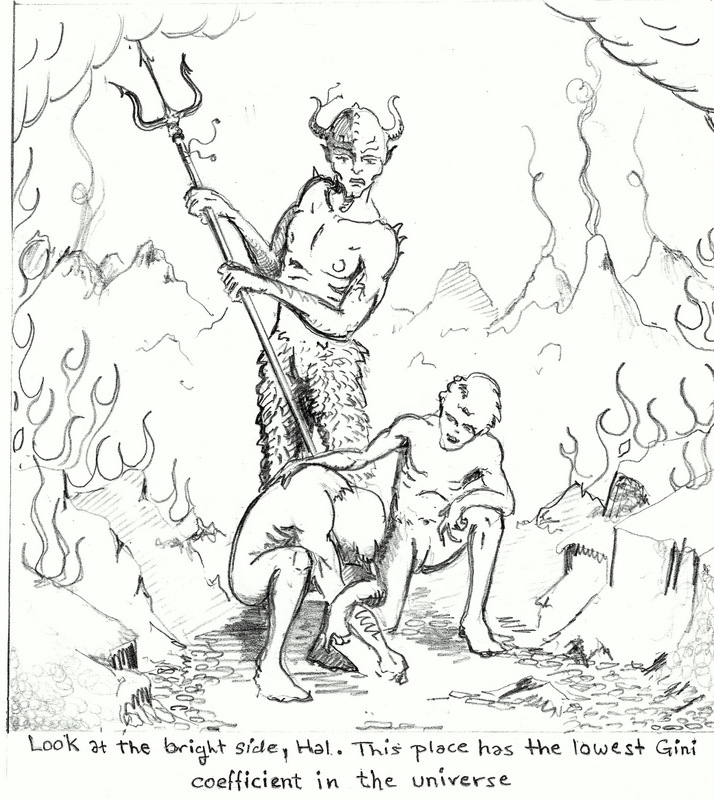
In tonight’s State of the Union Address, Mr. Obama will attempt to shake off the most disastrous year of his presidency by doubling down on his fight to equalize our incomes. Apparently, his advisors convinced him he can breathe fresh life into tax and welfare programs by hijacking the word “opportunity” from the other side of the aisle without bothering to understand what it means.

To read the rest of the column, click here.

1-Cartoon
Cartoon courtesy Chris Roelofs

RealClear Radio Hour

27 Jan

RCRH horizontal
The End of Privacy – Is the Government Destroying Trust?
January 27, 2014
Entrepreneur and lawyer, Wayne Bennett on the history, prevalence and cost of government demands that corporations violate their customers’ privacy.

To listen to the podcast click here.

Forbes – The Antigua Forum: Exporting A Different Kind of Latin American Revolution

21 Jan

forbescomlogo
Call it the “Free Market Davos.” The Antigua Forum, sponsored by Universidad Francisco Marroquín, in Guatemala, finished its third annual conference last week. For three days, I had the privilege of joining a who’s who of 50 free-market reformers, hailing from Chile to Mozambique, to propose, challenge, and refine a dozen plans for peaceful revolution around the world. I’ve been going to conferences for almost 40 years and I’ve never seen one harness the power of spontaneous order so effectively, tapping the expertise of such a diverse range of participants.

After I got over the “what am I doing here?” feeling that washed over me from reading the participant bios, I realized that scar tissue earned in the world of technology entrepreneurship might offer relevant lessons. Indeed, these lessons were eagerly absorbed by passionate social entrepreneurs committed to political and economic disruption fueled not by mobs or guns but by voluntary cooperation, promising not just hope and change but measurable economic benefits. I stood in awe when I realized the seriousness of their plans to go forth and do it, in countries both rich and poor.

To read the rest of the column click here.